

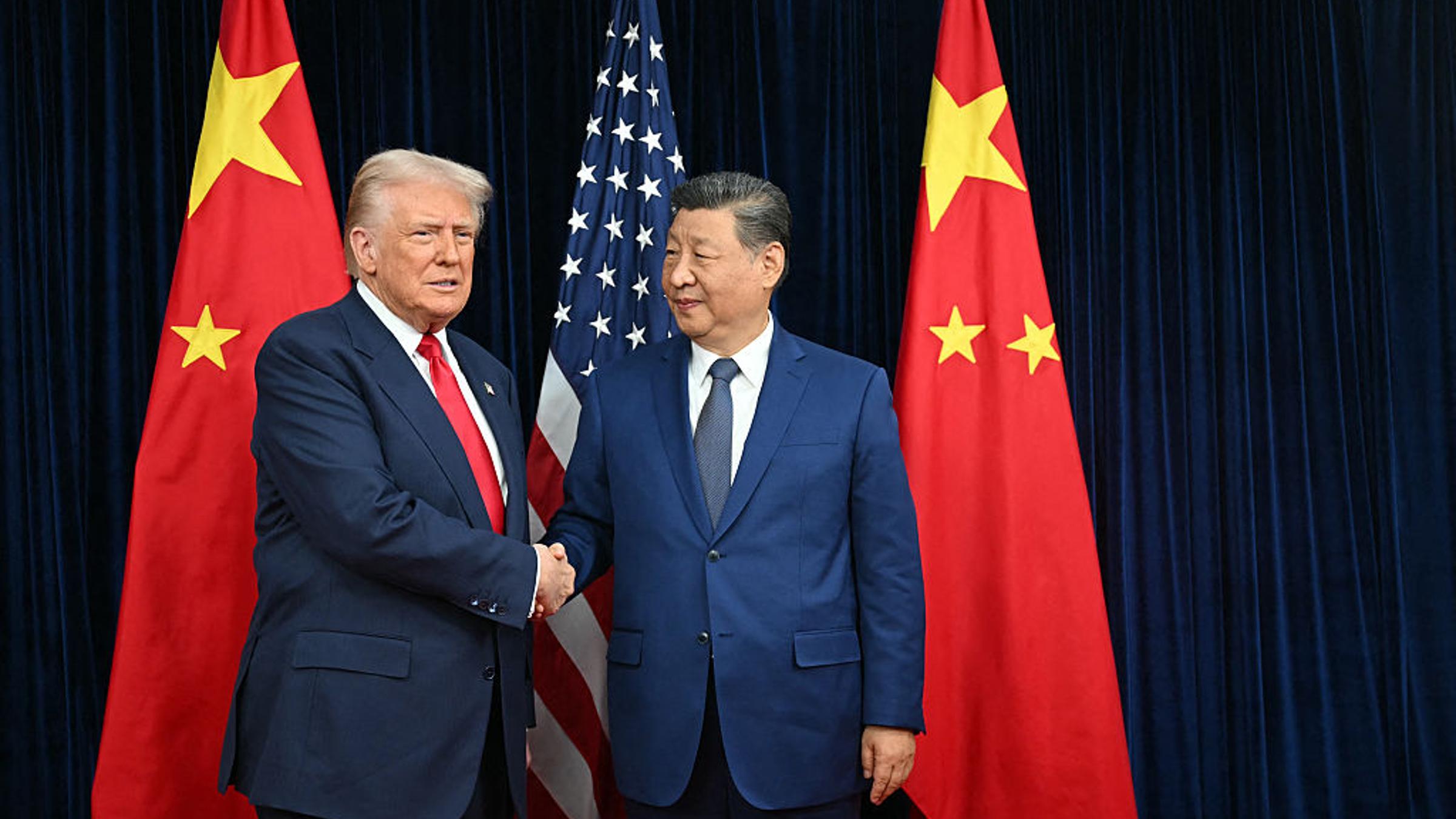
But while the foreign policy of Trump’s first term was very focused at bashing China, his second has been scattergun, with military strikes on at least nine countries, threats to invade Greenland, Canada, and Panama, as well as economic and diplomatic spats with the U.K., E.U., and many others. While Beijing has not been immune to these broadsides, it has been far from a primary target, which has surprised many since there’s no shortage of China hawks in Trump’s inner circle. That anti-Beijing sentiment, however, isn’t matched by actual China expertise, which has been gutted from the State Department.
It hasn’t helped that Trump’s favorite diplomatic cudgel—tariffs—was blunted by February’s U.S. Supreme Court decision against his overzealous wielding of the International Emergency Economic Powers Act. But in recent months Trump has also made significant concessions to Beijing, agreeing to sell Nvidia’s advanced AI-powered semiconductor chips to China, while suspending a $13 billion arms sale to self-ruling Taiwan. “It’s a real headscratcher,” says Bisley. “The world’s most powerful country is run by a government that cannot do strategy. That’s the only conclusion you can reach at this stage.”
Read the full article here
