


Mary Bennet got a raw deal. Jane Austen described Pride and Prejudice’s middle child as “the only plain one” of the five sisters, “who worked hard for knowledge and accomplishments, was always impatient for display.” Yet, Austen hastened to add, “Mary had neither genius nor taste; and though vanity had given her application, it had given her likewise a pedantic air and conceited manner, which would have injured a higher degree of excellence than she had reached.” Ouch. Even the compliments she receives feel backhanded. She has a reputation as “the most accomplished girl in the neighborhood.” Why not just say she has a good personality?
But Austen-adjacent fiction—particularly works derived from Pride and Prejudice—has long been a cottage industry unto itself, and several of those stories cast a revisionist eye on the most maligned Bennet girl. Is it really so bad to be bookish? Could you really blame any unbeautiful teen growing up sandwiched between two perfect older sisters and two adorable younger ones for tirelessly promoting her own talents, dubious though they may be? Debuting May 6 in the U.S. on BritBox, the BBC’s The Other Bennet Sister adapts Janice Hadlow’s 2020 novel into a light yet thoughtful romantic comedy that is bound to delight fans of the genre, anyone experiencing Bridgerton withdrawal, and even, I think, those hard-to-please Janeites.
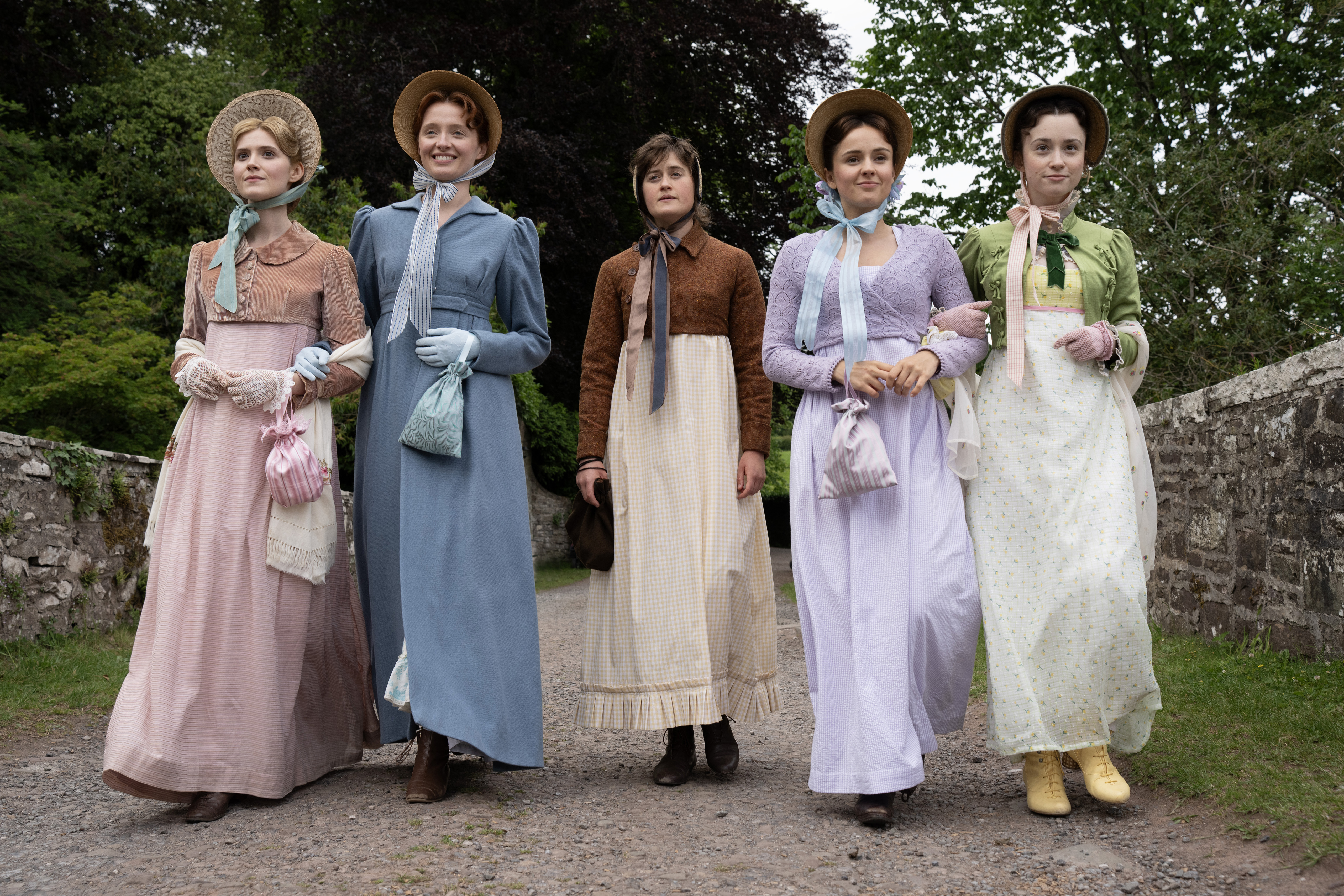
Call the Midwife alum Ella Bruccoleri is brilliantly cast as Mary, in a late bloomer’s coming-of-age tale that begins shortly before the canonical events of Pride and Prejudice and continues for some time after the enviable Elizabeth (Poppy Gilbert) is ensconced at Pemberley. (Writer Sarah Quintrell limits the golden couple’s screen time; nothing prompts a hasty exit by Victor Pilard’s Mr. Darcy like Bennet family girl talk. It’s a wise choice that prevents their wattage from outshining Mary’s modest glow.) Instead of contradicting Austen’s depictions, the series adds context and interiority, giving Mary a growth arc that highlights her similarities to the author’s archetypal heroines. Yes, she’s the kind of person who overuses the word actually. No, she couldn’t identify a cute dress to save her life. But there are mitigating factors. The pushy Bennet matriarch (Ruth Jones, hilarious) looks downright cruel when seen from the perspective of Mary, the perennial target of her disapproval. And the constant presence of four effortlessly irresistible sisters, each unfolding towards the light like a peony, has stunted her growth. “You always appear to handle everything with such ease,” she complains to Lizzy.
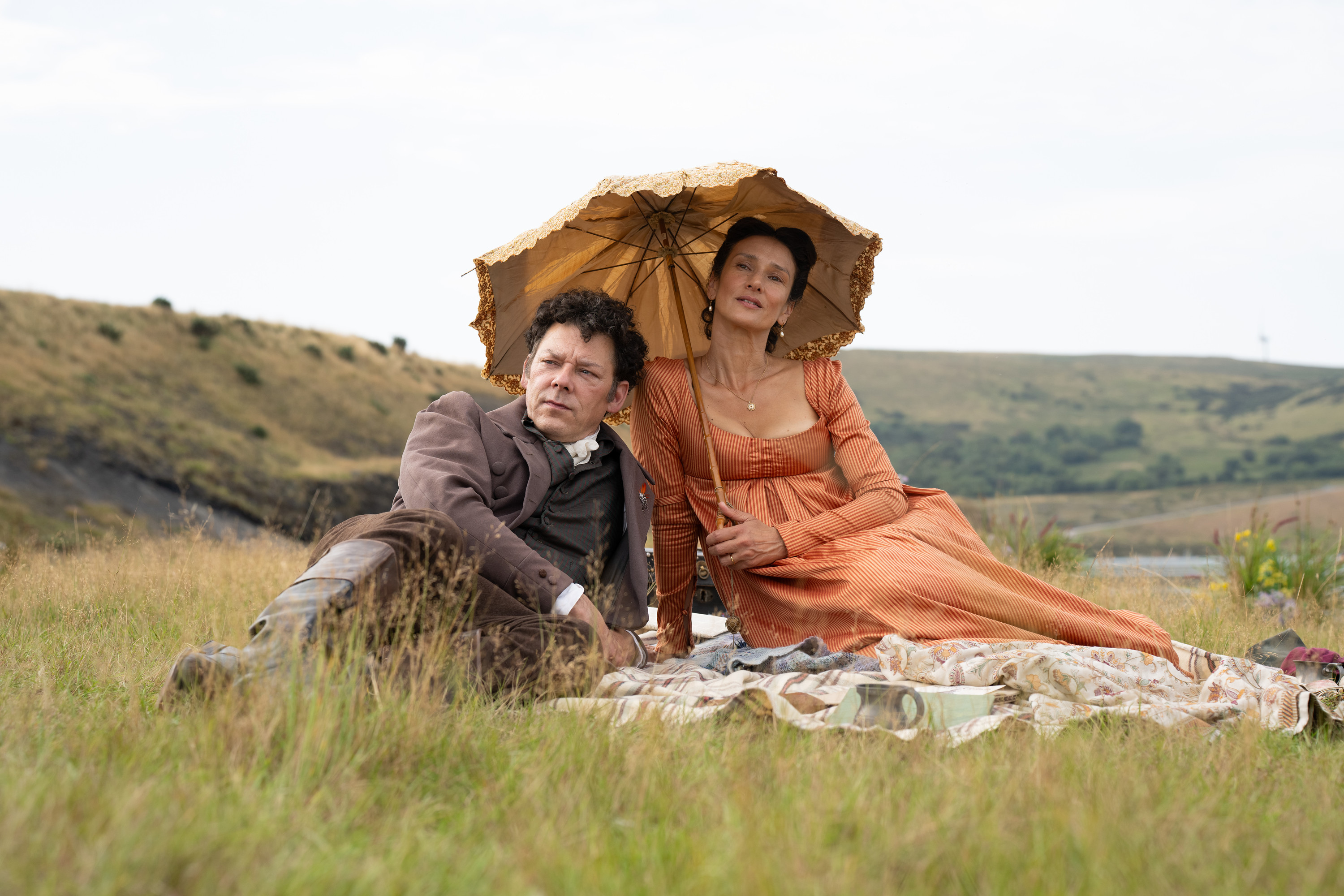
As her sisters are married off in quick succession, to the immense satisfaction of their mother and the exaggerated indifference of their ill-matched father (Richard E. Grant, always a pleasure), Mary alternately struggles to be noticed and gives up on attracting any man worth wedding. What she needs, the most astute observers in her life tell her, is a break from playing the black sheep of the only community she’s ever known. She gets it when her kind aunt and uncle, the Gardiners (Indira Varma and Richard Coyle), summon her to London as their children’s governess. Like so many misfits, she thrives in the city. Mrs. Gardiner becomes the mother she should’ve had, encouraging Mary to pursue her interests and own her tastes, garish though they may be. Which, in turn, leads her to make friends who appreciate her cerebral quirks.
It wouldn’t be a rom-com, or much of an Austen tribute, if that circle didn’t include love interests. Mary meets a succession of potential matches: a sweet optician’s son (Aaron Gill), a lawyer with a passion for poetry (Dónal Finn), a bachelor of privilege who resolves to live an unorthodox life (Laurie Davidson). While these relationships facilitate romance tropes whose familiarity is sure to enchant some and annoy others, they also serve the more inspired purpose of helping Mary apply all those books she reads to her own choices. Using Wordsworth and Aristotle to analyze her predicament, she considers what it might look like to shape her own future, instead of subsuming her pleasure to the whims of suitors or the demands of her mother. She needs only to look at her parents’ marriage, and that of her pragmatic neighbor Charlotte (Anna Fenton-Garvey) to the Bennets’ bumbling kinsman Mr. Collins (Ryan Sampson), to see that you can’t answer the question of who to wed without first deciding what constitutes a good life.
The Other Bennet Sister is not an innovative show. Its visual style is just as plain as anything you’d find on Masterpiece, though I’m glad to see inclusive casting becoming the norm for period fare (find another actor who makes you love Mrs. Gardiner the way Varma does, I dare you). Memorable characters like the snobbish Caroline Bingley (played divinely here by Tanya Reynolds, in a callback to her Emma. role) aren’t all the series nicks from its source material; the plot and dialogue are pure Austencore. It’s a quality imitation, though. Quintrell knows precisely how much Bennet-sister bonding she can squeeze in without crowding out Mary’s story and where she can wink at the fandom without alienating everyone else. If you want a satisfying rom-com, you could do worse than emulating the writer who invented the genre.
Read the full article here
