

Why don’t people develop alpha-gal syndrome simply from eating red meat?
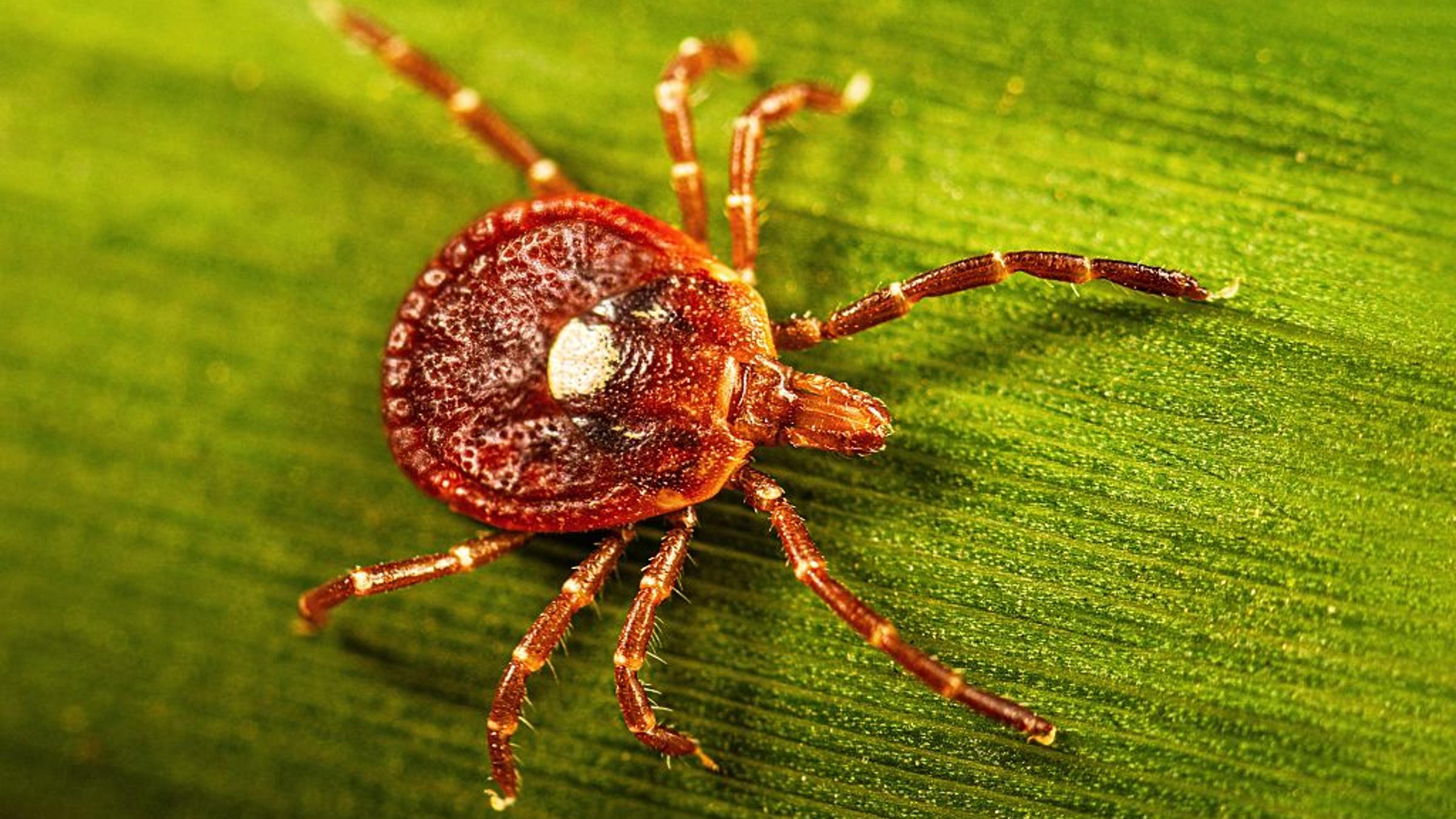
The difference between being exposed to alpha-gal syndrome from eating red meat and from a tick bite has to do with where the alpha gal enters the body. When people eat red meat, most of the alpha gal is digested in the stomach and small intestine, with very little being absorbed into the blood. And any alpha gal that is absorbed after digestion will be in a different, already digested form, while the original version comes from tick saliva, says Pritt. With a tick bite, all of the carbohydrate is injected directly into the blood, where immune cells are on constant watch for anything unusual. In the blood, alpha gal triggers an immune response, while it generally doesn’t in the digestive tract.
Why do some people develop alpha-gal syndrome after a tick bite while others who get bitten don’t?
As with any allergy, alpha-gal syndrome occurs against the backdrop of a person’s existing immune reactions, and people have different sensitivities to various compounds. Tick saliva also contains a number of other immune-affecting compounds that can modify the immune system, says Pritt. Some people might be more prone to activating an immune component known as IgE, for example, which tends to stimulate other immune mechanisms involved in an allergic reaction. So those who already have higher levels of IgE patrolling the blood might be prone to developing alpha-gal syndrome than those with lower amounts.
Read the full article here
