

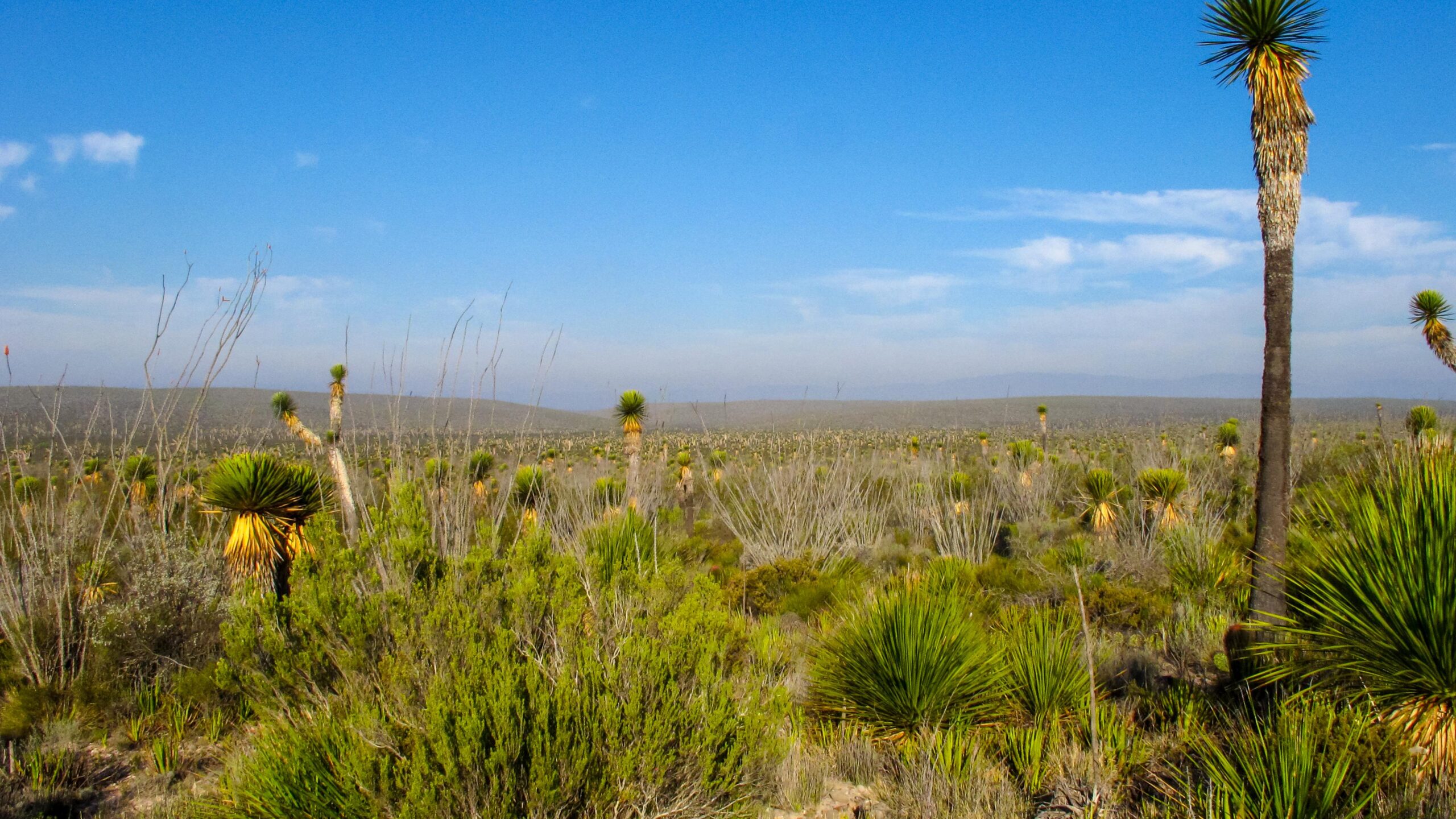
As I watched my mother’s work, I became fascinated with the plant’s resilience. In the harshest environments, it stores what it needs to survive. When it is finally harvested and distilled, the result is a spirit that is strikingly clean and dry—literally just plant and water.
And like great wine grapes grown in difficult soils, the harsher the conditions, the better the liquid.
Its flavor is familiar yet distinct—leaner, cleaner, softer, and more restrained than many expect from Mexican spirits.
For much of the 20th century, sotol’s trajectory was interrupted. Anti-distillation laws pushed it into illegality. By the time it regained formal recognition in 2004, tequila and mezcal had already secured their place on the global stage.
Now, sotol is re-emerging—and beginning to be seen as the third pillar of Mexican spirits.
Its timing is striking. In the United States, alcohol consumption is declining overall. But within that trend, another pattern is emerging: people are drinking less, but choosing better—seeking products that are authentic, artisanal, and rooted in place.
Read the full article here
